



As you may know one of the main roles of the governing body in Champagne, the CIVC, is to manage supply and demand so that there is never a glut or a dearth of champagne on the world market. It’s easier said than done and the system doesn’t work perfectly, but it has been pretty successful over many years and has helped champagne acquire and maintain its pre-eminent status amongst sparkling wines.
Each year the CIVC announces the amount of grapes that growers are allowed to pick from every hectare of vineyard they own. This decision has to be a matter of compromise because, in simple terms, the people who grow the grapes obviously want to pick and sell as many as they possibly can and get paid as much as they can. On the other hand the buyers only want to buy the amount of grapes they need to make the number of bottles they anticipate selling – they don’t want any more than that because they would have dead stock on their hands that they couldn’t sell.
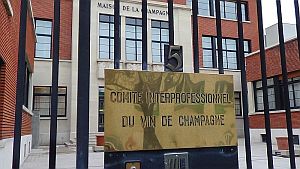 This year the CIVC announced that the maximum amount allowed to be picked was 10,100 kg of grapes per hectare. You will probably have spotted that this is less than what was mentioned in the opening quotation, but all will become clear if you read on.
Using a very rough and ready calculation and knowing that it takes 1.22 kg of grapes to make one bottle of champagne, you can work out that 10,100 kg means that from each hectare you could pick enough grapes to make just about 8,300 bottles.
Further, if one assumes that there are 34,000 hectares of vineyards in production in Champagne, that means that this year’s harvest will produce enough grapes to make 280 million bottles of champagne, but that’s not nearly enough to meet worldwide demand. Shipments in 2011 reached 223 million bottles and even though they have slipped back since to 305 million in 2013 that’s still a lot more than can be produced from this year’s ‘marketable yield’.
So how is this apparent problem solved? Well that’s where the reserve system comes in.
In addition to what they can pick in any given year champagne makers are allowed to keep what is called a reserve stock , that is to say grape juice that they have turned into still wine ( not yet into champagne) and are allowed to store for use in future years.
This stock of reserve wine is vital if there is ever a disastrously small harvest one year or if the crop is ruined by, for example, a hail storm. The reserve wine from previous years is also used to add to wine made from the current year’s harvest and by mixing wines of various ages the resulting blend is improved.
This year the CVC also announced that in addition to the 10,100 kg that were allowed to be harvested, an additional 400 kg per hectare could be picked and put into reserve for future use. The total of the allowed yield plus the reserve is the ‘marketable yield ‘ of 10,500 kg mentioned to in the opening statement.
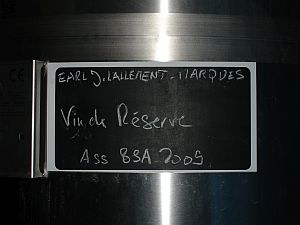 The reserve is referred to as RI ( Réserve Individuel) and in practice the wine makers won’t put the juice from those 400 kg into the wine they make this year. Instead they will put it into their reserve and take out from the reserve the same quantity of more mature wine they have kept from previous years. In this way the amount of wine in reserve remains the same and the quality of the champagne made each year is improved.
That is important because… surprise surprise’, the amount of wine allowed to be held in reserve is also regulated in Champagne which is said to be the most heavily regulated wine making region in the world.
That brings us to the last piece of the puzzle.
In actual fact the harvest in Champagne is regularly above the ‘marketable yield’. This year was particularly abundant and in some places there were 20,000 kg or more of grapes on the vines. In theory vineyard owners are not allowed to leave unpicked grapes on the vines and even though the harvest is far in excess of the yield that can be used to make into champagne, those grapes still have to be picked.
That begs the question “What happens to those grapes?”
Here again the reserve system proves its value not just in guarding against future disasters but also in maintaining the quality of champagne.
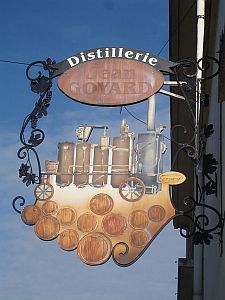 The wine maker will harvest the excess grapes, press them and turn the juice into still wine and then keep that wine for a few months to judge its quality. If the quality turns out to be better than what is already in the RI then the most recent wine will be added to the RI and an equivalent amount of lower quality wine will be discarded and sent off to the local distillery to be turned into brandy or other products. If the quality of the new wine is disappointing it is that rather than the older reserve wines which goes to the distillery.
For a few months, whilst the new wine is ageing and before any final decision can be made as to its quality, the wine maker may hold stock in excess of the authorised amount (the equivalent in wine of 10,000 kg of grapes for every hectare he or she owns), but eventually some of the wine in stock must be discarded to bring the RI back within allowed limits.
Champagne is sometimes criticised for being too set in its ways and too hide-bound by rules and regulations. In some ways that may well be true, but after this brief explanation of some of the oddities surrounding the harvest you may have a better appreciation of why some of these rules play an important role in helping champagne makers constantly improve the quality of the wines held in the RI and thereby the quality of their champagnes.
